A multi-stage product-readiness tracker, replacing manual cross-team status checks
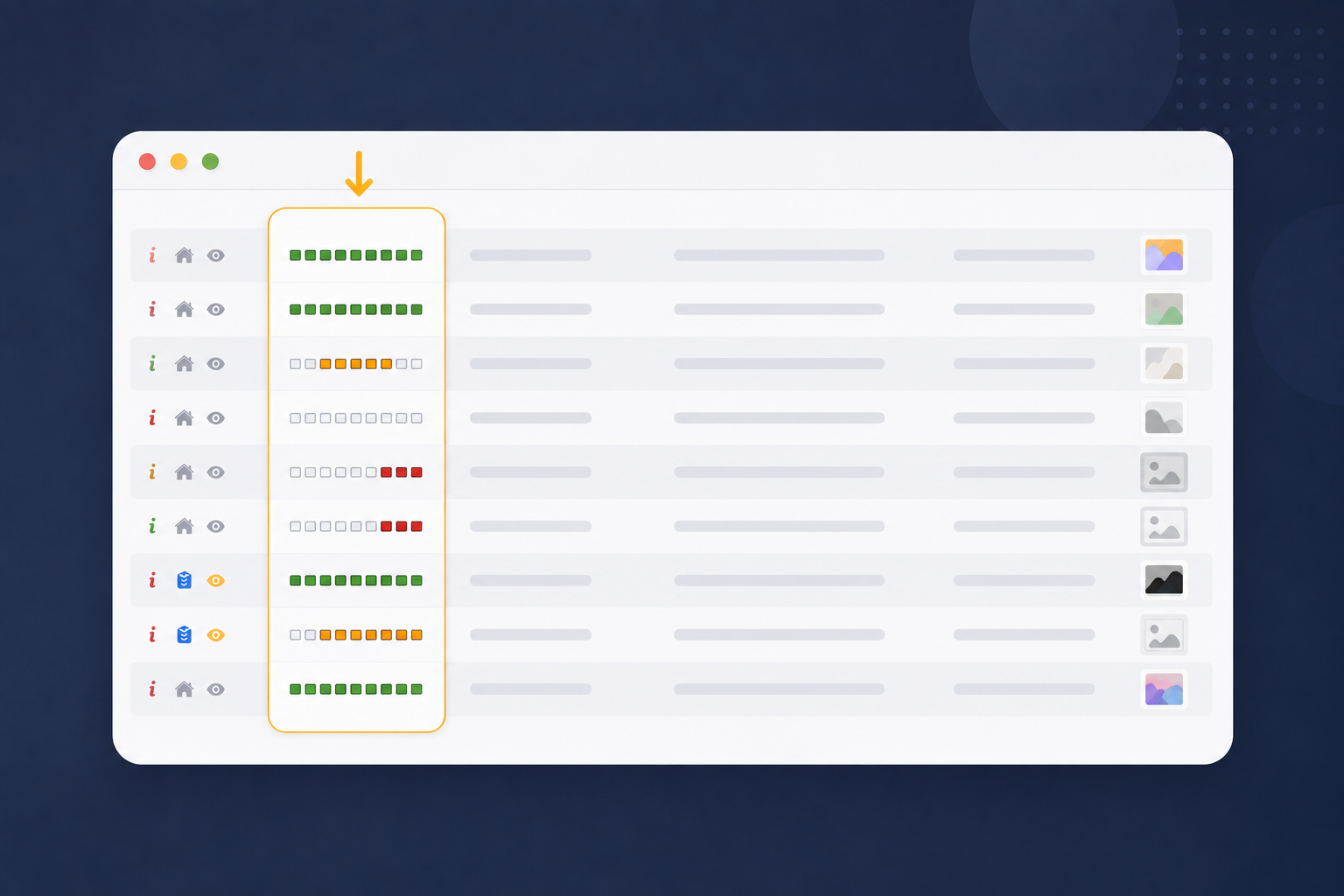
Three employees owned separate stages of getting a product publish-ready. Each launch involved manual status checks and surprise blockers. I scoped and shipped a checkbox-driven, color-coded "Fill" tracker inside the admin panel - giving everyone a one-glance view of where each product stands across all three stages.
CD-Log imports and sells e-tech across multiple categories. The website is the company's primary commercial channel, which means every new SKU has to clear three independent workflows before it can be published:
| Stage | Owner | Work involved |
|---|---|---|
| SKU setup | Procurement-adjacent role | Pricing, supplier data, stock fields |
| Content | Content Fill | Descriptions, specs, images, structured data |
| SEO | Digital marketing | Titles, meta, taxonomy, internal linking |
Each owner used their own working list. There was no shared, real-time view of where a product stood in the pipeline.
The friction surfaced in three specific patterns:
Launches slipped, marketing campaigns kicked off without all SKUs live, and the same three employees were repeatedly the bottleneck.
The recurring cost of no shared visibilityStakeholders: SKU setup owner · Content Manager · SEO/digital marketing · Team lead · Dev Team
Key constraints: Build inside the existing admin panel (no new tool, no new login). Must be usable by non-technical content staff. No additional headcount. Compatible with existing product schema.
I considered three options:
| Option | Approach | Verdict |
|---|---|---|
| A | Trello board per launch - quick setup, but creates a parallel system and doubles update work | Rejected |
| B | Single status dropdown (Draft/Ready/Live) - simple but too coarse to show which stage blocks | Rejected |
| C | Multi-stage checkbox tracker, native to admin, with color-coded progress + aggregate view | Selected |
The trade-off I made deliberately: more dev investment now, in exchange for removing a recurring coordination tax forever.
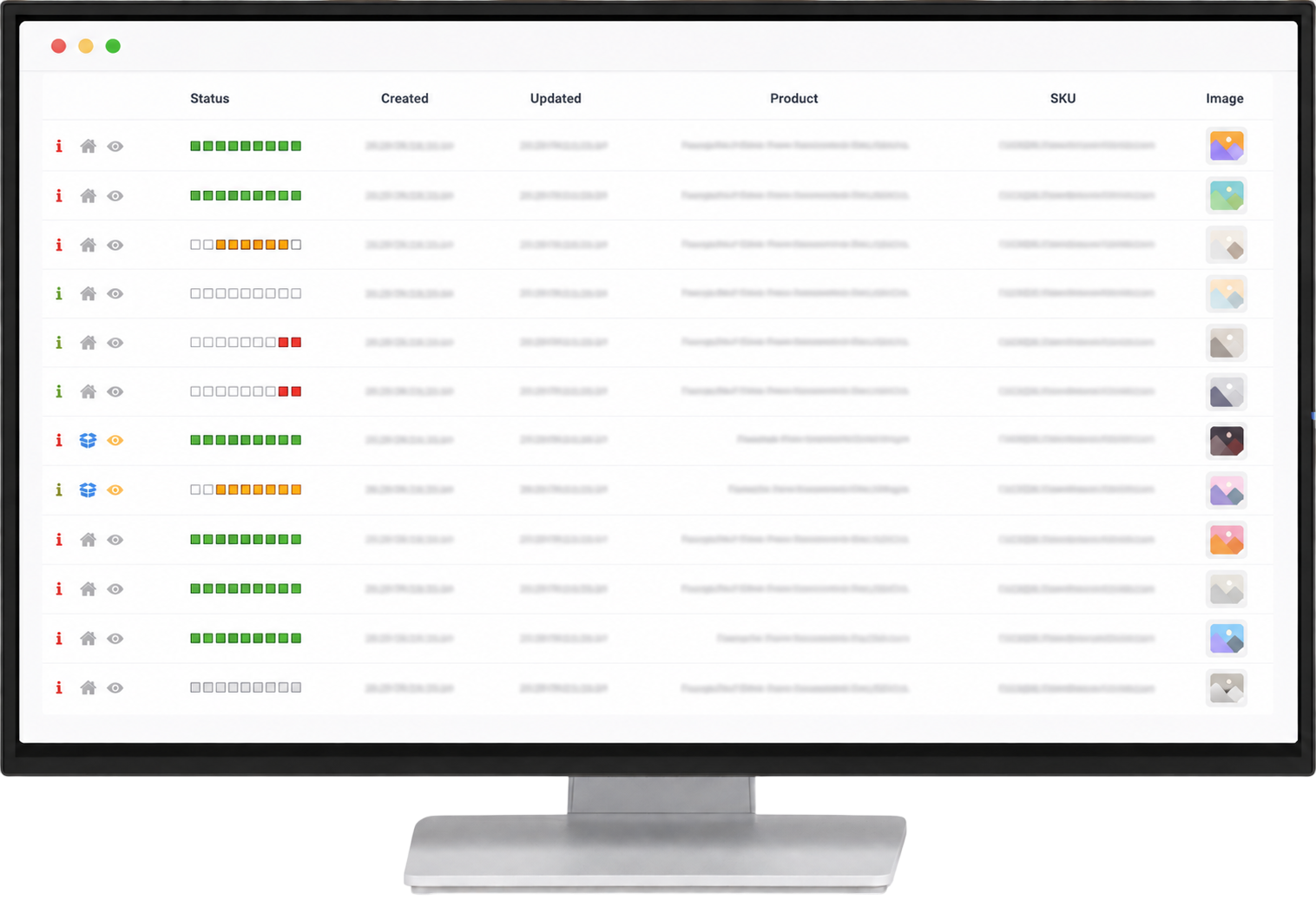
Shipped per-product view first, aggregate dashboard second. Defined "complete" loosely and refined during QA. No automated notifications.
Build aggregate dashboard first (managers' primary view). Define "complete" rigorously upfront to avoid QA delays.